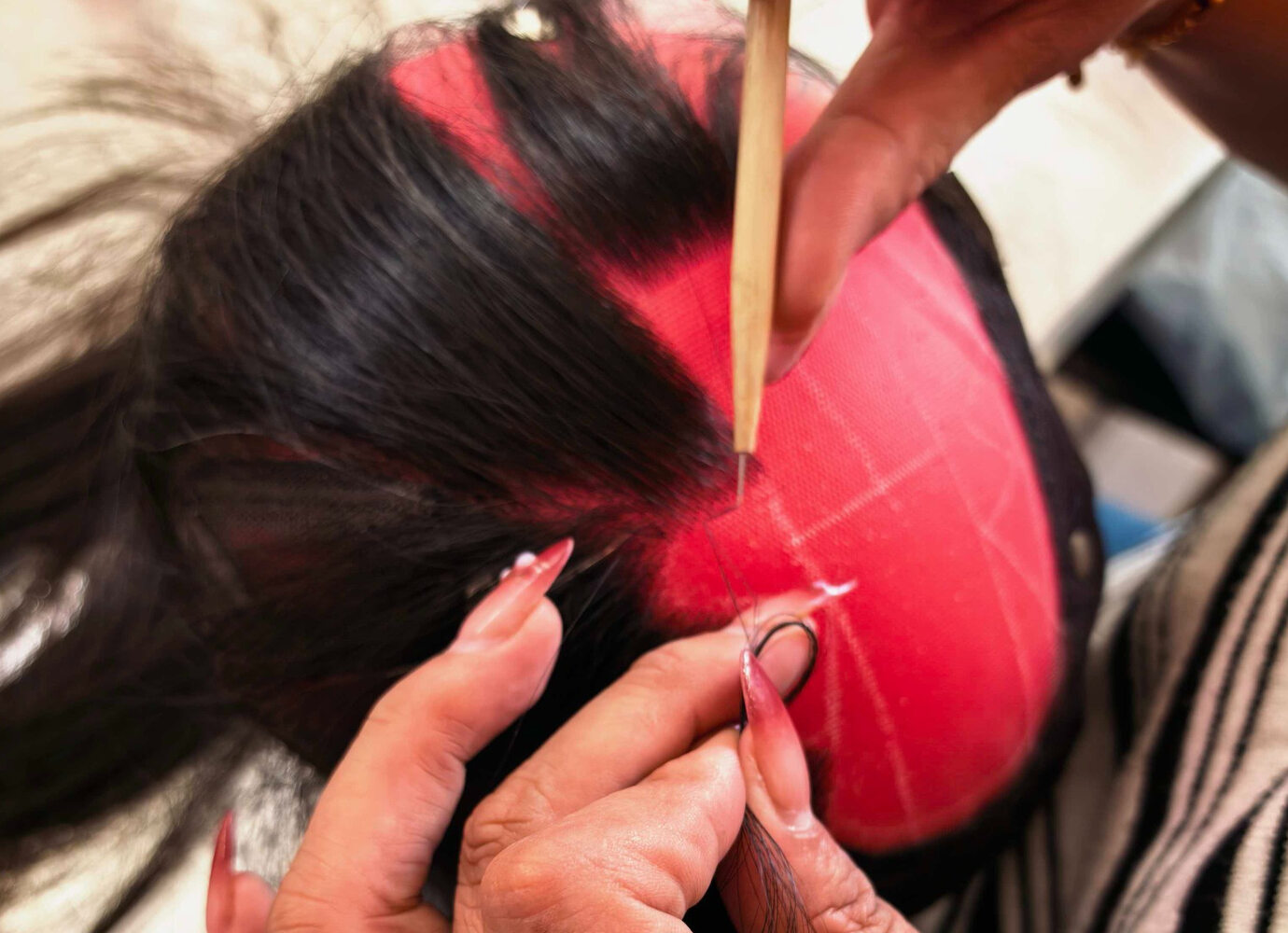
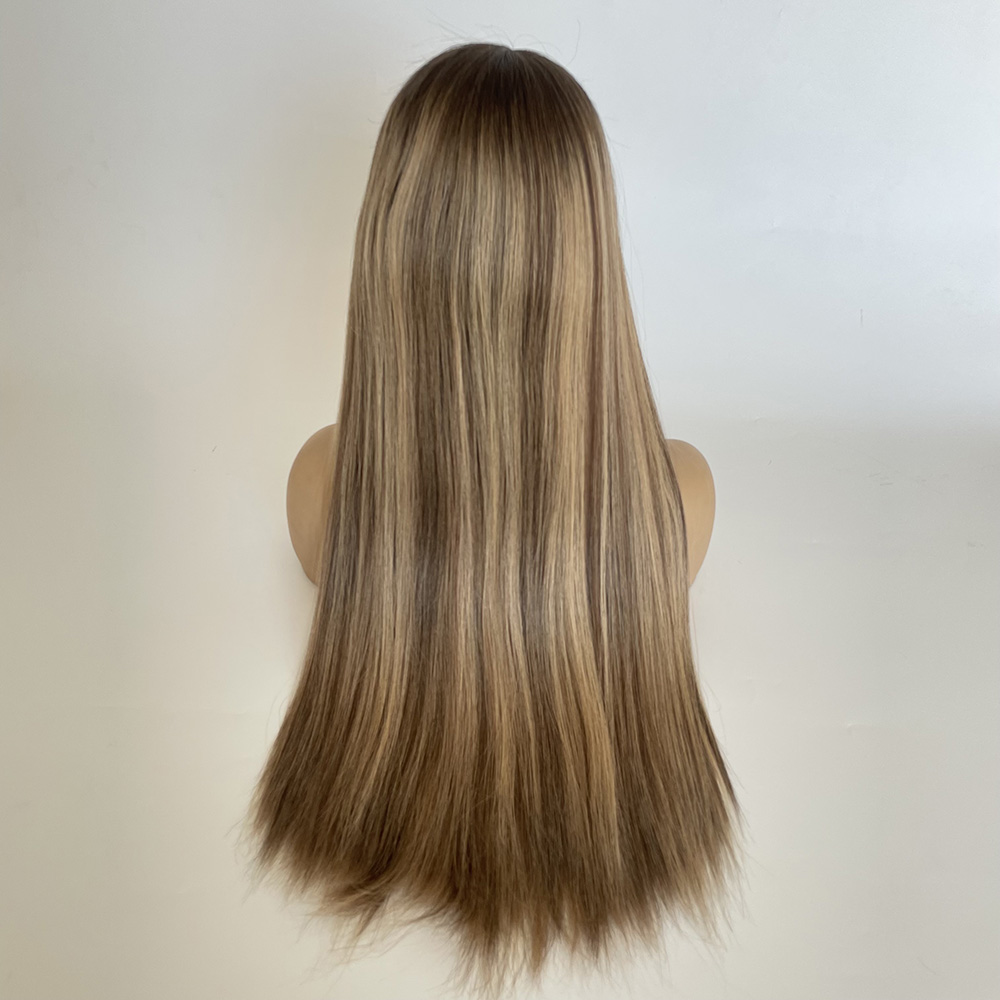
Notes on hair origin, construction and the things people ask before a first wholesale order.
Most sheitel suppliers describe themselves the same way. The difference shows up in who answers a technical question, who signs the batch record, and who is named on the export documents.
None of these tests grades hair. Together they catch the four problems that actually cost a retailer money: coating, reversed cuticle, weak elasticity and shed.
The phrase is a material claim, not a quality claim. Origin, cuticle state, drawing ratio and processing are the four facts that decide how a sheitel behaves — and none of them appear on the label.
A specification that cannot be measured cannot be enforced. These nine lines, written with tolerances and a measurement method, are what turn a first order into a repeatable product.
A “medium” cap from one factory is not a “medium” from another. Three numbers on the order — circumference, front to nape, ear to ear — remove the most common reason a sheitel comes back.
A colour code names a target, not a batch. Understanding dye lots, lighting and grey blending is how a counter avoids the most visible complaint in the trade — the sheitel that is nearly the right colour.
A lower invoice price is not a lower cost. The saving leaves through returns, toning time, repairs, discounts and the client who does not come back — and each of those has a number attached.
A tour shows you the room, not the system. Four things are worth checking on the floor, and all four can be requested remotely if you know what to ask for.
Most import disputes are settled by what the order document says, not by who is right. Four short clauses — specification, inspection, remedy and delay — cover almost every case.
Customer-supplied hair — 来料加工 — gives a buyer control over provenance and exclusivity. It also puts their material through someone else's floor, which is why nine points have to be agreed in writing first.
After-sales service is part of the customer experience for a wig retailer. A clear process helps staff respond consistently and gives suppliers better information when a problem needs investigation.
Customers may purchase sheitels for weddings, holidays, and other personal occasions. For retailers, these purchases often involve more than arranging delivery.
A useful wig product page answers the questions a customer would otherwise need to ask during a consultation.
For a retailer, hair sourcing information supports accurate product descriptions and informed customer conversations.
Wig inventory can become complex quickly. Each combination of color, length, construction, and cap size creates another variation to manage.
A private label wig collection gives a retailer an opportunity to build a recognizable brand. Its foundation is a product specification customers can rely on.
A consistent receiving process helps wig businesses identify discrepancies before products reach customers.
Lace top and silk top wigs are useful categories for organizing a collection, but the construction name should be the start of a buying discussion.
A successful sheitel collection does not need to include every available style. It needs to reflect the customers your store serves.
For a Jewish wig retailer, choosing a supplier affects more than the purchase price. It influences product consistency, customer satisfaction, and how confidently your team can recommend each sheitel.
 Wig · Sheitel